Wednesday, January 22, 2003

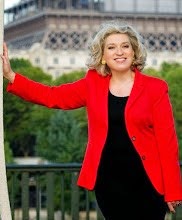
Françoise Giroud, a flawed heroine of French feminism

Françoise Giroud, who has died aged 86, was a former minister for culture, founding editor of L'Express, and flawed heroine of French feminism. Both she and her contemporary Katharine Graham, the owner and publisher of the Washington Post, influenced journalism and politics in their countries. However, Giroud, unlike heiress Graham, was the self-made daughter of a Turkish journalist.

She was born in Geneva, and left school at 14 to learn secretarial skills. She got a job at a bookshop in Paris, found work as a continuity girl on some of France's best-known films, including Jean Renoir's La Grande Illusion; and quickly graduated to screenwriter, then assistant director. During the second world war, she was jailed by the Gestapo at Fresnes prison and narrowly escaped being deported, like her younger sister Douce.

Post-war, Giroud was hired by Hélène Gordon Lazareff for her new women's magazine, Elle, whose editor-in-chief she became within months; she also produced some of France's best sketches for France Soir and France Dimanche.

Giroud will primarily be remembered, though, for creating L'Express in 1953, initially a campaigning weekly opposing colonial war in Indo-China and Algeria. She set it up with her married lover, Jean-Jacques Servan-Schreiber, maverick scion of a publishing family. The duo transformed it with great success 10 years later, adapting the glossy Time/News-week newsmagazine formula in France.

When Servan-Schreiber's first wife, the novelist Madeleine Chapsal, finally left him in 1960, he married a younger writer: Giroud made a much-publicised suicide attempt. She went into psychoanalysis, aged 40, in 1966, with the charismatic Jacques Lacan. Years later, she wrote in her memoirs, Leçons Particulières (Private Lessons): "Had I met Lacan when I was 25, my entire life would have been different. I would have loved different men, I would not have created L'Express."

Giroud was famous for her elegant, spare writing style. She contributed to the political demise of Gaullist premier Jacques Chaban Delmas when she dismissed his 1974 candidacy for the presidency: "You don't shoot an ambulance." Unlike Servan-Schreiber, she was a workaholic perfectionist who would rewrite copy and polish headlines far into the night before sending out the week's L'Express to the printers. She encouraged a new generation of women journalists, helping them polish their writing and personal style, then sending them to ferret out stories from France's notoriously vain male politicians.

Yet she never called herself a feminist, rarely believing in the frontal attack. Her women journalists were competent, often talented; but they were also notorious for their affairs with politicians and business tycoons. A former Giroud protégée who refused to play this game turned to foreign reporting, in which she was equally encouraged by Giroud.

Giroud, a lifelong left-winger, crossed party lines in 1974 when she agreed to become president Giscard d'Estaing's junior minister for women. Servan-Schreiber, with whom she worked at L'Express until he started his own Radical party in 1969, was in the same cabinet, as minister for reforms, a job he held for 13 days. Giroud was made of sterner stuff, and having tested the limits of her portfolio (the most important feminist reform, the liberalisation of abortion, was defended in the Assemblée Nationale in 1975 by health minister Simone Veil), she stayed on in politics in the 1976 Barre cabinet as minister for culture.

By 1978 she left, and in 1981 she voted for her Socialist friend François Mitterrand, whose portrait as a promising politician she had been the first to sketch in France Dimanche in 1951.

From then on she returned to writing. In 1974, Servan-Schreiber had sold L'Express from under her to a conglomerate: Giroud soon found a home at its left-leaning rival, Le Nouvel Observateur, writing a weekly column from 1983 until last week.

She also wrote some 30 books of varying quality: forgettable biographies; a few romans à clef (the most notable, Le Bon Plaisir, told the thinly veiled story of Mitterrand's lovechild, which Giroud had always forbidden her journalists to break: Giroud wrote the screenplay for the movie adaptation). There were several first-rate memoirs, in which her unique voice can be heard: Le Journal d'Une Parisienne, the ferocious La Comédie du Pouvoir, on her ministerial experiences, and On Ne Peut Être Heureux Tout Le Temps (One can't always be happy).

She married briefly in the 1950s: her son died in an accident, and she is survived by her daughter, the child psychoanalyst Caroline Eliacheff. Over the last 30 years, her constant companion was the late editor and publisher Alex Grall.

· Françoise Giroud, journalist and politician, born November 21 1916; died January 19 2003

© Copyright © Guardian News and Media & Anne-Elisabeth Moutet 2003

Friday, December 13, 2002

Saga d'un divorce annoncé : un demi-siècle de relations américano-saoudiennes

13 décembre 2002 / 18 h 33
Saga d'un divorce annoncé : un demi-siècle de relations américano-saoudiennes

Par Anne-Elisabeth Moutet


Quand l'Amérique découvre les immenses gisements saoudiens en 1938, commence une relation basée sur un complet malentendu, pétrole et argent, beaucoup d'argent, contre protection militaire. Le tout déguisé en amitié entre la démocratie US et la théocratie saoudienne. Et les Saoudiens savent prendre généreusement soin de leurs amis. Ce qui aurait dû en être l'apothéose, la Guerre du Golfe, est le début de la fin. Le fils du président le plus allié aux pétroliers subira de plein fouet les attaques terroristes du 11 septembre 2 001 perpétrées par des Saoudiens endoctrinés par l'islam d'État wahhabite, qui refusent l'alliance avec les « infidèles ». Aujourd'hui, pour l'Amérique, l'Arabie saoudite ne fait plus partie de la solution mais du problème.

C'est par un coup de téléphone d'un journaliste du « New York Times » tentant d'obtenir un commentaire que le prince Bandar ben Sultan, inamovible ambassadeur d'Arabie saoudite à Washington, a appris la semaine dernière la démission des trois partenaires fondateurs de la firme de relations publiques et de lobbying de Washington, Qorvis Communications, qu'il avait embauchés à 200 000 dollars par mois pour essayer de redorer l'image du Royaume aux États-Unis depuis le 11 septembre. La Démocrate Judy Smith, une ex-porte-parole adjointe de la Maison Blanche Clinton, ainsi que les Républicains, Bernie Merritt et Jim Weber, ont préféré déménager à New York dans une autre société de RP, Clark & Weinstock. Officiellement, personne ne commente. Sous le sceau de l'anonymat, les collègues des trois transfuges expliquent qu'ils se sentaient de plus en plus mal à l'aise à tenter de défendre l'Arabie saoudite devant l'opinion américaine alors que les preuves du financement d'Al-Qaïda par des personnalités saoudiennes s'amoncellent.

Le coup de grâce fut les révélations sur l'épouse même (et cousine) du prince-ambassadeur, la princesse Haifa al-Faisal : elle versait des mensualités de 2 000 dollars à deux Saoudiens installés à San Diego, Osama Bassnan et Omar al-Bayoumi, qui les faisaient reverser immédiatement à deux des terroristes du 11 septembre, Khalid al-Midhar and Nawaf Alhazmi. "Il s'agit de donations charitables ! La princesse avait accepté de payer les frais médicaux de Mme Bassnan," proteste l'ambassade. Rien n'y fait. Des questions dérangeantes sont posées au Congrès ; une commission d'enquête est montée ; les États-Unis demandent officiellement une plus grande coopération dans les enquêtes financières sur les bailleurs de fonds du terrorisme dans le Royaume, dont beaucoup utilisent des organisations charitables confessionnelles de l'islam extrême wahhabite qui est la religion officielle de l'Arabie saoudite.


Les nationaux saoudiens forment la majorité des troupes d'Al-Qaïda et des prisonniers de Guantanamo


Pour le prince Bandar, doyen policé du corps diplomatique de Washington, dont les réceptions dans sa propriété de McLean (le Neuilly de la capitale américaine), de la station de ski d'Aspen ou son château de Wychwood dans l'Oxfordshire sont courues de tout l'establishment - et qui est, avec son père le prince Sultan, l'un des investisseurs du fonds géant Carlyle Group aux côtés de George Bush père - c'est la suite d'un cauchemar qui a commencé quelques heures à peine après le 11 septembre. Très vite, il s'est avéré que 15 des 19 terroristes étaient de nationalité saoudienne (et les nationaux saoudiens forment l'immense majorité des troupes d'Al-Qaïda tout comme des prisonniers de Guantanamo). D'allié inébranlable des États-Unis, l'Arabie saoudite a pris un autre visage au fur et à mesure que le projecteur des médias et des commissions d'enquêtes s'est braqué sur elle.

Même si Osama ben Laden lui-même a été déchu de sa nationalité saoudienne en 1994, une opinion publique américaine furieuse découvre, à travers des investigations et de nouvelles traductions de la presse saoudienne et des prêches des imams wahhabites, que le clergé et les journalistes saoudiens du royaume appellent quotidiennement au jihad contre les États-Unis, les chrétiens et les juifs. Cachés jusque-là par les fructueuses relations entre les deux pays -(l'Arabie saoudite est le plus fidèle fournisseur étranger de pétrole des États-Unis ; mais ceux-ci ont formé les militaires et les cadres de l'État saoudien ; investi les fortunes des quelque 8000 membres de la famille royale ; fourni les armements de l'armée saoudienne, et bien sûr défendu l'intégrité du territoire saoudien en 1991) - des conflits individuels généralement nés de séparations de couples mixtes américano-saoudiens se révèlent aussi. Des centaines d'enfants de nationalité américaine, dont les intérêts sont maintenant défendus par le député républicain Dan Burton d'Indiana, sont ainsi retenus par leurs pères en Arabie saoudite sans que leurs mères ne puissent les revoir. Pendant des années, le Département d'État avait tenté de minimiser le mauvais effet de tels contentieux sur les relations américano-saoudiennes, en poussant les familles américaines à la discrétion. Elle devient impossible, tout comme les persécutions qu'encourent les expatriés chrétiens pour pratiquer leur religion en Arabie saoudite. Les mauvais points s'accumulent.

Les Saoudiens ont dépensé plus de 5 millions de dollars pour redorer leur image

Qorvis est loin d'être la seule société de relations publiques engagée par le gouvernement saoudien pour tenter de limiter les dégâts. Un examen des déclarations de lobbying du Département de la Justice (elles sont obligatoires pour représenter des intérêts étrangers) révèle une approche bipartisane des relais d'influence de la capitale. Le gouvernement saoudien a dépensé plus de 5 millions de dollars et embauché autant de Démocrates (Patton-Boggs, fondé par le fils d'un président du groupe démocrate à la Chambre, qui a reçu 170 000 dollars rien que pour le premier semestre 2002 ; et le cabinet d'avocats Akin, Gump, Strauss, Hauer & Feld, fondé par le clintonien Robert W. Strauss, ancien président du Comité Démocrate National, payé 161 799 dollars pour la même période) que de Républicains (le conseiller James P. Gallagher, ex-assistant d'un sénateur du new Hampshire, et l'agence d'achat d'espace Sandler-Innocenzi, qui place beaucoup des pages de publicité du Parti républicain.

Aux côtés du prince Bandar, un conseiller très spécial, dépêché par le Prince héritier Abdullah lui-même, Adel al-Jubeir, dirige depuis plusieurs mois les efforts de relations publiques saoudiens aux États-Unis. Portant bien ses 40 ans et ses costumes sur mesure Brooks Brothers, Al-Jubeir qui a fait ses études au Texas et à l'université de Georgetown et a longtemps résidé en Amérique, parle un anglais parfait, et donne de sa personne sur toutes les chaînes de télévision. Il accompagne d'ailleurs fréquemment la journaliste politique de NBC Campbell Brown lors de dîners en ville. C'est lui qui a décidé de l'achat de pages de publicité vantant l'amitié saoudo-américaine dans des publications aussi disparates que "People" (équivalent de "Gala") et le "Stars & Stripes", quotidien de l'armée américaine. But officiel : toucher le public américain où qu'il soit. Conçus par Qorvis, les placards pleine-page montrent une colombe de la paix volant au-dessus des drapeaux des deux pays, avec le slogan "Deux nations, un seul but". Difficile de ne pas penser que les Saoudiens espèrent une certaine reconnaissance d'une presse durement atteinte par la baisse des budgets publicitaires (et, dans le cas du "Stars & Stripes", un peu d'indulgence des militaires auxquels le royaume refuse toujours par ailleurs l'usage de bases en Arabie saoudite pour une éventuelle attaque contre l'Irak.) Le newsmagazine "Time", qui appartient comme "People" à AOL-Time-Warner, a publié des interviews de sources saoudiennes réfutant les accusations contre la princesse Haifa, initialement révélées par son concurrent "Newsweek" – qui lui n'a reçu aucun budget publicitaire saoudien.


L'impartialité d'une commission d'enquête sur le financement des réseaux de la terreur est déjà récusée parce que présidée par Kissinger dont le cabinet de consultants a eu des clients saoudiens


"Les Saoudiens traitent toutes ces affaires comme s'il s'agissait uniquement d'un problème d'image", dit le sénateur démocrate de Floride Bob Graham. "Mais nous sommes bien au-delà d'un problème de relations publiques". La réalité des relations américano-saoudiennes, noyée pendant des années dans un flou volontaire, et la nature même du régime de Riyad est maintenant attaquée par les ténors politiques des deux partis, y compris deux anciens candidats à la présidence, le Démocrate du Connecticut Joe Lieberman comme le Républicain d'Arizona John McCain. À la suite de l'affaire de la princesse Haifa, et se fondant sur un rapport sur le financement du terrorisme du Council on Foreign Relationsqui déclare notamment que "depuis des années, la plus importante source de fonds d'Al-Qaïda est provenue d'individus et d'organisations charitables basés en Arabie saoudite, et depuis des années, les responsables saoudiens ont refusé d'examiner ce problème", la commission des finances du Sénat a demandé la formation d'une commission d'enquête sur le financement des réseaux de la terreur. Mais avant même qu'elle soit complètement formée, son impartialité a déjà été mise en question : elle doit être présidée par Henry Kissinger, dont le cabinet de consultants, Kissinger Associates, a eu dans le passé des clients saoudiens – et qui fut le premier artisan, en 1974, des liens économiques américano-saoudiens.

Si le royaume d'Arabie saoudite a été créé par les Britanniques en 1930, l'alliance américano-saoudienne est concrétisée quinze ans plus tard : le 16 février 1945 a lieu sur une île du Grand Lac Amer du Canal du Suez une rencontre entre Franklin Roosevelt et le roi Abdul-Aziz Ibn Saud scellant une alliance politique et économique qui a fonctionné dans une efficace discrétion pendant près d'un demi-siècle. Elle ne faisait qu'entériner une présence américaine de la première heure dans les champs pétroliers du nouveau royaume : c'est la Standard Oil of California des Rockefeller qui apporte son savoir-faire, découvre les premiers gisements, et crée l'Aramco (Arab-American Oil Company) en 1938, puis, devant l'immensité des ressources saoudiennes, introduit Texaco, Exxon et Mobil pour se partager la tâche. Dans les années 50, c'est l'Aramco qui finance les études de centaines de jeunes Saoudiens dans les universités américaines.

Tout est monté sur le modèle américain par des experts importés. Les Saoudiens paient

Paradoxalement, ces liens ne font que se renforcer après le crash pétrolier de 1973-1974, puis le coup de sang bien réfléchi du roi Khaled en 1975 qui nationalise toutes les sociétés pétrolières étrangères du royaume. Une série d'articles remarquables de Robert Kaiser et David Ottaway dans le « Washington Post » retrace la genèse de cette relation. Le quadruplement du prix du baril rend impératif pour les économies occidentales de trouver à recycler les pétrodollars d'une façon ou d'une autre. L'Arabie saoudite doit, elle, placer une partie de ces sommes immenses, et utiliser le reste pour se moderniser. L'administration Nixon – c'est-à-dire principalement le Secrétaire d'État Henry Kissinger, puisque Nixon lui-même démissionne le 9 août – dépêche dès l'été 1974 le Secrétaire au Trésor, William Simon, à Riyad : outre un dossier complet vantant les Bons du Trésor US, Simon apporte la proposition, concoctée avec Kissinger, de créer une "Commission Saoudo-Américaine pour la Coopération Économique" destinée à intégrer la modernisation de l'Arabie saoudite selon le système, et avec des conseillers et des fournisseurs américains. Le modèle est simple : l'Amérique conseille, conçoit, construit. Les Saoudiens paient. Cela va du dessalement de l'eau de mer à la création d'un corps des Douanes et de l'Immigration ; des installations aéroportuaires à un Institut National de la Statistique ; de la modernisation de l'armée saoudienne à la construction de ports internationaux clés en mains, civils et militaires. Système bancaire, bourse, banque centrale, académies militaires, tout est monté sur le modèle américain par des experts importés.


Sur trente ans, on estime à quelque 400 milliards de dollars les sommes dépensées chez des fournisseurs et institutions américaines


Dès le retour de William Simon à Washington, les Saoudiens ouvrent un compte spécial directement au département du Trésor, destiné à payer les frais et les salaires des employés américains de la Commission saoudo-americaine de coopération, et sur lequel transitera plus d'un milliard de dollars. Sur trente ans, on estime à quelque 400 milliards de dollars les sommes dépensées chez des fournisseurs et institutions américaines, dont environ 50 milliards sont passés en "commissions" diverses. Pour chaque projet ou affaire réalisée en Arabie saoudite, il est obligatoire en effet de passer par un "agent" local, souvent membre de la famille royale, rétribué au minimum 5% du montant total du contrat, souvent plus. Si les sociétés pétrolières américaines ne possèdent plus le pétrole extrait des gisements saoudiens, ce sont elles qui, comme par le passé, supervisent raffineries et distribution, et revendent le produit fini aux États-Unis et dans le monde.

Le Génie de l'armée américaine construit d'immenses bases militaires dans le désert. Longtemps, la nouvelle armée saoudienne s'équipera exclusivement US (vers les années 80, l'opposition du Congrès à des ventes d'armements qui pourraient menacer directement Israël amènera par exemple le prince Bandar à négocier secrètement entre 1985 et 1988 l'acquisition, pour un milliard de dollars, de missiles chinois CSS2 d'une portée de 2400 kilomètres, à la fureur de l'administration Reagan.) En tout, le Royaume achètera pour plus de 100 milliards de dollars d'avions de chasse F-5 et F-16, de chars Bradley, M-1 et Abrams, d'avions AWACs d'observation, de bateaux en tous genres, de missiles, munitions, transports de troupes blindés, etc. C'est pareil pour les acquisitions de matériel civil. La Saudi Airlines vole Boeing, atterrit sur les aéroports conçus par Bechtel, loge ses équipages dans des immeubles conçus par des architectes américains. Dans les années 70-80, c'est par dizaines de milliers que les jeunes Saoudiens vont étudier en Amérique : aujourd'hui, expliquent Kaiser et Ottaway, sur 30 ministres du gouvernement saoudien, 21 ont des diplômes américains, dont 16 doctorats.

100 000 Saoudiens possèdent une résidence sur le sol américain

Pour les membres des classes privilégiées saoudiennes, l'Amérique permet de mener une double vie dont ils intègrent tellement le caractère schizophrénique qu'il ne sera remis en question que par les accusations portées, post-11 septembre, contre leur pays aux États-Unis. On estime à quelque 100 000 le nombre de Saoudiens qui possèdent une résidence sur le sol américain. Là, ils vivent une vie peu différente de celle de leurs voisins : leurs femmes ne sont pas voilées, peuvent sortir de chez elles sans être accompagnées par un membre mâle de leur famille, et sont autorisées à conduire - ce qui leur est légalement interdit en Arabie saoudite depuis 1975 par une loi du roi Khaled. Adel al-Jubeir avoue volontiers que sa propre mère n'a pris le volant d'une voiture, pour la première fois de sa vie, que lors d'une visite en Amérique. Le prince Bandar sert vodka et champagne dans les réceptions somptueuses de sa villa de McLean, ou dans son chalet de 7 000 mètres carrés estimé à 55 millions de dollars d'Aspen.


15 jeunes filles brûlées vives parce qu'elles ne portaient pas de voile


Pas étonnant peut-être qu'ils en oublient la réalité de la vie des 18 millions de citoyens saoudiens qui n'ont aucun lien avec la famille royale, et dont le revenu moyen a baissé de 65% en 20 ans - de 19 000 dollars (constants) en 1981 à 7300 dollars (constants) en 1997, la dernière date à laquelle les statistiques sont disponibles. Ainsi, lors de l'offensive de charme organisée par Adel al-Jubeir auprès des journalistes influents américains, il s'est trouvé escorter l'éditorialiste politique du « New York Times », Maureen Dowd, dans les rues de Riyad. (Depuis un an, les frontières du Royaume et le palais du Prince Abdallah se sont brusquement ouverts à la fine fleur de la presse américaine alors qu'un visa de presse était tout simplement impossible à obtenir précédemment.) Manque de chance, la Mutawwa, la police religieuse, qui patrouille les rues du Royaume armée de fouets pour verbaliser immédiatement les infractions à la conception wahhabite de la décence, trouve que Dowd montre – shocking ! – un bout de cheville sous son voile noir, et l'agresse immédiatement. "Je ne les avais jamais rencontrés auparavant !", s'excuse al-Jubeir en essayant de réparer le mauvais effet produit. Dans son article, Dowd ne mentionnera pas l'anecdote ; mais elle raconte l'histoire beaucoup plus grave des 15 jeunes filles de 13, 14 et 15 ans que cette même Mutawwa a laissé brûler vives dans l'incendie de leur école de La Mecque, plutôt que de les laisser fuir les flammes sans voile ni foulard. On imagine l'effet sur le lectorat du « New York Times ».

Les anciens ambassadeurs américains à Riyad reçoivent de généreux fonds saoudiens

Mais si, une fois qu'ils braquent le projecteur sur l'Arabie saoudite, les journalistes américains trouvent bien peu de choses à défendre, ce n'est pas le cas d'une grande partie de l'Establishment de Washington, les diplomates du Département d'État et la famille Bush en tête. Pour un ambassadeur américain à Riyad qui tient tête aux Saoudiens, comme Hume Horan - à qui ils ne pardonnèrent jamais ses origines iraniennes, et surtout sa connaissance étendue de la langue et de la culture arabes, lui permettant de s'informer par lui-même, et qui fut vite rappelé sur requête du roi Fahd -, il y en a dix qui, une fois de retour à Washington, deviennent de fait les ambassadeurs du régime saoudien auprès du gouvernement et des décideurs américains. Le schéma est toujours le même : l'ambassadeur quitte la carrière diplomatique et monte sa propre fondation avec de généreux fonds saoudiens. Ainsi de Walter Cutler, ambassadeur US à Riyad entre 1983 à 1989 : il dirige maintenant le "Meridian International Center", et donne des conférences sur la nécessité de préserver l'alliance saoudienne. Ainsi de Charles "Chas" W. Freeman, Jr., ambassadeur de 1989 à 1992, qui dirige aujourd'hui le très pro-arabe Middle East Policy Council en même temps que son propre cabinet de conseil en lucratives joint-ventures au Moyen-Orient, Projects International, Inc. Ainsi de l'ancien sénateur Wyche Fowler, ambassadeur de l'administration Clinton à Riyad, aujourd'hui président du conseil d'administration du Middle East Institute à Washington, dont 200 000 de dollars du budget (sur un total de 1 million et demi) sont couverts par des donations saoudiennes. Le président du même Middle-East Institute est Edward Walker, un ex-Chargé d'Affaires à l'ambassade de Riyad et ex-assistant Secrétaire d'État chargé du Moyen-Orient. Ainsi de Richard Murphy, ambassadeur à Riyad entre 1981-1983, qui fait entendre la voix de Riyad au Council on Foreign Relations.

"Si les Saoudiens ont la réputation de s'occuper de leurs amis après qu'ils aient quitté leurs postes, vous seriez étonné du nombre de responsables en poste qui deviennent de meilleurs amis de l'Arabie saoudite", a dit un jour avec cynisme le prince Bandar à un ami, qui le répètera au « Washington Post ».


Le prince Bandar avait déposé dix millions de dollars sur un compte au Vatican que lui avait indiqué le directeur de la CIA de Ronald Reagan


Suivant le même principe, toutes les bibliothèques présidentielles (traditionnellement, un président sortant lègue ses archives et autant d'objets personnels ou historiques qu'il le désire à une bibliothèque historique portant son nom) ont été l'objet de la largesse saoudienne. Le prince Bandar a, par exemple, donné un million de dollars pour la Bibliothèque George Bush (père). L'argent coule à flot pour les bonnes oeuvres préférées des personnalités au pouvoir, qu'il s'agisse de l'organisation anti-drogue de Nancy Reagan, "Just Say No", (un million de dollars du roi Fahd en 1985), de celle de lutte contre l'illettrisme de Barbara Bush (un autre million en 1989), ou du Centre pour les Études Moyen-Orientales de l'université d'Arkansas, 20 millions de dollars quémandés par le gouverneur, un certain Bill Clinton. Certaines "bonnes oeuvres" ont un caractère plus politique : le prince Bandar déposa ainsi dix millions de dollars sur un compte au Vatican que lui avait indiqué le directeur de la CIA de Ronald Reagan, William J. Casey : ils étaient destinés au parti chrétien-démocrate italien pour "lutter contre le communisme". Pour les Contras du Nicaragua, le royaume paiera trois fois plus.

Quand Saddam Hussein envahit le Koweït et menace l'Arabie Saoudite, il semble tout d'abord aux princes saoudiens que leur investissement américain paie enfin. Outre les douceurs cimentant les bonnes relations individuelles, l'accord de base était que l'Arabie saoudite assurait l'approvisionnement pétrolier des États-Unis, tandis que ceux-ci assuraient la sécurité du Royaume. (Dans la consommation pétrolière totale des États-Unis, le pétrole saoudien, qui est descendu de 24% à 14% des importations, n'entre que pour 8% ; mais de tous leurs fournisseurs, l'Arabie saoudite est la seule capable d'augmenter cette proportion en cas de blocus d'un autre producteur : seuls les champs saoudiens, dont les réserves connues sont estimées à 112 milliards de barils, ont une marge de réserve permettant d'ouvrir les robinets immédiatement et d'empêcher ainsi une pénurie.)


On découvrira que la famille BinLadin est également un investisseur du Carlyle Group, et les administrateurs lui rembourseront discrètement ses parts quelques semaines après le 11 septembre


Le président George H.W. Bush, le Secrétaire d'État James Baker, qui eux-mêmes appartiennent à l'industrie pétrolière texane, sont des héros en Arabie saoudite. Ils reviendront régulièrement à Riyad donner des conférences et entretenir de fructueuses relations avec le régime, particulièrement dans le cadre du Carlyle Group où siège également Baker. Seul embarras récent, on découvrira que la famille BinLadin – l'orthographe différente est volontaire pour qu'il n'y ait pas de confusion avec le fils terroriste – est également un investisseur du Carlyle Group, et les administrateurs lui rembourseront discrètement ses parts quelques semaines après le 11 septembre. Les princes saoudiens ne mesurent pas immédiatement l'effet que la présence de 500 000 soldats "infidèles" (dont des femmes !) produit sur le clergé wahhabite avec lequel ils ont conclu ce que le sénateur McCain appelle aujourd'hui un "pacte faustien". Vivant à l'occidentale à l'intérieur de leurs vastes palais où la Mutawwa n'a pas le droit d'entrer, voyageant à leur guise, les princes ont acheté la paix sociale en abandonnant aux Oulémas toutes les affaires intérieures du Royaume. Ce qui fonctionne tant qu'une hypocrisie de base est maintenue vole en éclats dès lors que ce "rhinocéros" d'un demi-million d'Occidentaux occupe le terrain.


85 000 personnes, les princes et leur cercle, dont la fortune investie à l'étranger est estimée à un trilliard de dollars – tandis qu'en Arabie saoudite le chômage est de 30%


D'autant que la situation économique du Royaume - et non de ses princes et de leur cercle, soit quelques 85 000 personnes dont on estime la fortune investie à l'étranger à un trilliard de dollars, répartis pour le moment entre les États-Unis pour 700 milliards et l'Europe pour le reste - est bien plus mauvaise qu'il y a une décennie. On a vu que le revenu moyen a fondu : c'est que la population explose, avec le taux de natalité le plus élevé du monde, et une croissance de 4,4% par an que ni les Oulémas, ni le prince Abdallah ne veulent considérer comme un problème. La famille saoudienne moyenne a entre 6 et 7 enfants. 43% des 23 millions de résidents saoudiens (18 millions de citoyens et les travailleurs immigrés) ont moins de 14 ans. On prévoit 33,7 millions d'habitants en 2015. Mais le prince régnant a les yeux rivés sur l'Iran (65 millions d'habitants) et l'Irak (22 millions) qui lui servent de point de comparaison. Et, par ailleurs, les revenus pétroliers, calculés en dollars constants, ont fondu : les tarifs du brut aujourd'hui équivalent au prix du baril au début de 1973. En 1981, les revenus pétroliers s'élevaient à 227 milliards de dollars constants. Pour 2002, on calcule qu'ils atteindront à peine 48 milliards. Le taux de chômage a atteint 30%, et chaque année, les universités saoudiennes produisent plus de 300 000 diplômés qui n'ont aucune envie de tenir les emplois mal payés et mal considérés des travailleurs immigrés. Pour beaucoup, le seul exutoire, c'est la mosquée. Le schéma est un modèle pour créer des frustrations d'autant plus dangereuses qu'il est naturellement interdit de critiquer la famille royale. Il fabrique des Ben Laden à la pelle.

Les diplômés saoudiens encore les plus assurés de trouver un travail sont les étudiants des écoles coraniques wahhabites, que le clergé saoudien expédie à l'étranger pour exporter sa variété extrême de l'islam. Toujours dans le but de se ménager les bonnes grâces des religieux, autant que par conviction musulmane, la charité étant un devoir selon le Coran, les princes et les Saoudiens aisés financent des "bonnes oeuvres" islamiques dont le but avoué est d'étendre l'influence du wahhabisme dans le monde entier. Ce sont ces organisations charitables qui sont aujourd'hui la cible du FBI, et dont les États-Unis réclament le contrôle. Adel al-Jubeir proteste que les autorités saoudiennes ont interrogé plus de 2 000 suspects, en ont emprisonné 100, ont démantelé trois cellules d'Al-Qaïda, et ont gelé 33 comptes bancaires pour un total de 5,5 million de dollars. Al-Jubeir ne fait guère recette à Washington, où on trouve que c'est une goutte d'eau dans la mer, et où surtout le refus des Saoudiens de faire le lien entre leur clergé officiel et l'idéologie des terroristes du 11 septembre provoque la fureur.

À cause de son père, les Saoudiens attendaient beaucoup du Président Bush

Et pourtant, les éléments d'un divorce américano-saoudien prédatent l'attentat contre le World Trade Center : pendant le printemps et l'été 2001, le prince Abdallah avait manifesté une colère grandissante contre ce qu'il voyait comme l'inaction coupable de George W Bush dans le conflit israélo-palestinien. "À cause de son père, les Saoudiens attendaient beaucoup du président actuel", explique le commentateur politique Lawrence F. Kaplan. "Leur fureur était à la mesure de leurs attentes."

Ce n'est un secret pour personne que le prince régnant Abdallah se sent concerné personnellement par ce qu'il voit comme "le martyre" des Palestiniens aux mains de l'armée israélienne. Le prince regarde les mêmes chaînes de télévision par satellite que le reste du monde arabe, etellesmontrentscène après scène de brimades, contrôles routiers, combats entre des tanks et des tireurs palestiniens, opérations de représailles à Gaza et en Cisjordanie. Le prince écrira notamment à G.W. Bush avoir vu, lors d'un barrage de sécurité, une femme palestinienne maintenue à terre par la botte d'un soldat israélien. Furieux, il adresse lettre sur lettre au nouveau président ; suscite un article très critique sur "les complexes d'infériorité de Bush-le-fils" de l'ambassadeur saoudien à Londres, Ghazi Qussaibi, dans le quotidien « Al-Hayat ». Le 24 août, il envoie le prince Bandar à la Maison Blanche, porteur d'un message de 25 pages inhabituellement direct pour le Secrétaire d'État, Colin Powell, et la Conseillère Nationale à la Sécurité, Condoleezza Rice. L'essence : "Nous considérons qu'une décision stratégique a été prise par les États-Unis de soutenir Ariel Sharon à 100%. C'est votre droit mais, dorénavant, la relation privilégiée américano-saoudienne a vécu. Nous protégerons nos propres intérêts dans la région sans prendre en compte ceux de l'Amérique." Et pour bien montrer que cette fois-ci, c'est sérieux, les Saoudiens annulent au dernier moment une réunion sur le programme militaire américano-saoudien entre le chef d'État-major des armées saoudien, le général Salih Ali bin Muhayya, accompagné de 40 officiers supérieurs saoudiens, et les responsables du Pentagone, le 25 août.

Bush père au Prince Abdallah : "Mon fils saura faire le bon choix"

La réponse de George W. Bush ne met que 36 heures à venir : c'est une lettre de deux pages qui, racontent des sources saoudiennes à Washington au "Post", "contient tous les éléments d'un changement radical de la politique américaine au Proche-Orient". Bush y affirme, selon ces sources, son soutien à la création d'un État palestinien ; répond aux inquiétudes humanitaires du prince Abdallah, et s'engage à faire avancer la paix. Les réactions saoudiennes sont excellentes. Leur sentiment est que les pressions de l'été ont payé. Il est vrai qu'Abdallah a trouvé des relais dans l'entourage et la famille même du président. En juin, Brent Scowcroft, l'ancien Conseiller pour la Sécurité Nationale de Bush père - et co-auteur de ses Mémoires -, qui siège aux conseils d'administration de Pennzoil et de Qualcomm, deux sociétés pétrolières avec des intérêts importants à Riyad, avait déclaré publiquement que "les amis arabes de l'Amérique étaient profondément déçus par l'incapacité de la Maison Blanche à modérer Israël". Deux semaines plus tard, lors d'un week-end dans la propriété de George Bush père à Kennebunkport dans le Maine, Scowcroft est témoin d'une scène peu banale : l'ex-président, en sa présence et devant le président actuel, prend son téléphone, appelle directement le prince Abdallah, et l'assure que "[mon fils] est toujours du bon côté[...] vous pouvez compter sur lui pour faire le bon choix."

Et dans les derniers jours de l'été 2001, il semble bien que la Maison Blanche s'apprête à infléchir une politique moyen-orientale que le nouveau président, d'instinct – il a visité Israël et son christianisme évangélique le rapproche de ses traditions – avait jusque-là maintenue dans une inaction plutôt favorable à Israël. Selon Lawrence Kaplan, toute l'équipe travaille sur un discours qui doit être prononcé par Colin Powell, et devrait réinsister sur un État palestinien. Powell et George Tenet, le directeur de la CIA, insistent pour que le Président rencontre Yasser Arafat aux Nations unies. C'est alors qu'arrive le 11 septembre. On sait que l'événement transformera la présidence de Bush fils, tout comme son sentiment de responsabilité. La notion abstraite de terrorisme prend brusquement tout son sens pour un Président qui d'instinct trouve les réflexes en accord avec l'opinion américaine. Les images des Palestiniens dansant de joie à l'annonce des attentats pèseront aussi très lourd. Dans les mois qui vont suivre, la diplomatie saoudienne tentera de reprendre le fil là où l'histoire l'a cassé ; et on verra par exemple l'envoi de l'ex-général Anthony Zinni, un habitué des chasses au faucon avec les princes saoudiens, dans la région. Mais même le "plan Abdallah" du printemps 2002 sera davantage vu comme un effort de relations publiques - l'idée a, après tout, été exprimée à un autre de ces journalistes du « New York Times » brusquement admis à Riyad, Thomas Friedman – que comme une initiative diplomatique conséquente. Aujourd'hui, l'Arabie saoudite a perdu l'initiative politique et diplomatique à Washington. Sur la défensive, elle a bien trop à faire pour se justifier elle-même, malgré le soutien des notables encore nombreux qui acceptent ses prébendes.

© anne-elisabeth moutet & proche-orient.info. Reproduction interdite, sauf autorisation formelle de proche-orient.info

Wednesday, September 1, 1999

Elites, élan et l'Etat

The Ecole Nationale d'Administration is a launch pad for meteoric careers in the civil service, politics and industry. Anne-Elisabeth Moutet asks how its unabashed elitism will serve France in the 2000s

They are all alike. Or at least they look it. Smooth, clever, quick with an analysis, sometimes impressively efficient; often infuriatingly flippant and detached from the nuts and bolts of the organisations they run. France is the only country – apart from Japan, with omnipresent Tokyo University ('Todai') graduates – which has a seamless front linking top civil servants, government officials, business leaders, even finance wizards. The President of the Republic, Jacques Chirac, is a member of the club. So is his prime minister (and Socialist political opponent), Lionel Jospin. So are their rivals within their parties. So are the chairs of France Telecom, Renault, oil giant Elf-Aquitaine, 17 of the 20 largest French banks, water utility giant Vivendi, four out of six broadcast television channels (public and private), half the French Cabinet, two-thirds of partners at Rothschild et Cie merchant bank. And so on, and so on.

All these people are graduates of the Ecole Nationale d'Administration, known in France as ENA. It is a government school whose students enter via a gruelling competitive examination (only 120 are admitted each year) and exit with a precise ranking that will determine their careers.

The influence of ENA has been compared with Oxbridge in the UK. It is at the same time more and less meritocratic, ENA-bred technocrats will argue almost convincingly. 'In France, you succeed and are integrated into the highest levels of society only through scholarship,' says one. 'In one generation, you can become a firm member of the establishment. In the US, in one generation you can become very rich but you will not become a Wasp. What is undemocratic is that once you belong to the elite, you will never fail. There are no sanctions, except for political ones, and these are not final, because the same people come back two years later. There is a network of solidarity.'

ENA was created on October 9, 1945, by a decree signed by General Charles de Gaulle, then heading the newly liberated France's provisional government. He wanted to remove once and for all the largely Napoleonic French administration 'that sadly had shown in 1940 how obsolete it had been allowed to become'. Behind this lay an old French fear – the defeatism and failure of its elites, as shown by the large number of high-level collaborationists in the Vichy government during the Second World War. Much the same had happened in 1871, when Professor Emile Boutmy created the Ecole Libre des Sciences Politiques, later IEP (familiarly known as Sciences Po) directly after the French defeat in the Franco-Prussian War.

The school was the brainchild of a future prime minister, Michel Debré, who would later draft the Constitution of the Fifth Republic in 1958. He said he wanted to give 'young students of all conditions' access to the kind of studies until then 'the preserve of the children of the rich Parisian elite, studying at the Institut des Etudes Politiques'. Ironically, Sciences Po, which had fulfiled its promise in 1914, had failed in 1940 to vote for the government of Marshal Henri Pétain, and was nationalised in the same legislation that created ENA.

No one could have known, in the flush of liberation, quite how much influence ENA graduates, or énarques, would eventually wield in France. Yet their image – there are now around 4,500 énarques in France – evolved to evoke some of the very things ENA was created to dispel: a haughty, inbred caste of privileged young men (and about 20% women) firmly believing that their destiny is to rule the country in close association with other énarques, with little more than contempt for whoever is not cast in their mould.

The scarcely concealed real power is evident when you start listing famous ones. According to another study, only 10% of politicians are énarques, yet they hold almost all the high-profile jobs. Of all France's presidents of the Fifth Republic, only two – Valéry Giscard d'Estaing and Jacques Chirac – were young enough to attend the new institute. De Gaulle tended to pick old Resistance companions as his chief ministers, with the notable exception of Georges Pompidou (who, like his contemporary Jean-Paul Sartre, taught French literature in a lycée during the Occupation).

Pompidou's resulting inferiority complex made him pick his own best and brightest from among the énarques, rather than from the ranks of historic Gaullists, whom he felt would always remind him of his wartime attentism, or lack of political commitment. Hence the brilliant careers of politicians and industrialists such as Chirac, Raymond Barre, Michel Jobert, Jacques Calvet and Edouard Balladur. Similarly, the Left had its own énarques: Lionel Jospin, Michel Rocard, Jean-Pierre Chevènement, Laurent Fabius, Pierre Joxe, Jacques Attali, and later, Martine Aubry and Elisabeth Guigou, among others.

The former Speaker of the Assemblée Nationale, Philippe Séguin, as well as his successor, Fabius, are énarques. The governor of the Banque de France, Jean-Claude Trichet, is an énarque. Autodidact big bosses, who may harbour their own opinion of énarques, still hire a few – so that those crucial telephone calls or discreet meetings can always be arranged between 'old colleagues'. Foreign governments send a few of their best and brightest to ENA to have someone who will help them understand France: there is a special programme for foreigners at the school, the only notable differences are that they are not ranked (ensuring they have a better time among the fiercely competitive students) and spend only three months doing a practical trainee stint (le stage) in a French administration, as opposed to two stints of six months for French students. Such high-flyers as the German Joachim Bitterlich (currently tipped to become the European Union's foreign policy representative) or the Briton Matthew Kirk of the Cabinet Office attended ENA; most European nationalities are usually represented, as well as Japan, South America and Africa.

Edith Cresson, that famously crusading anti-énarque, who ordered the school's removal in 1992 to Strasbourg in a failed attempt to lessen its influence, still employed three énarques in the top jobs among her staff when she was prime minister. Probably the most accurate criticism I have heard of her was that 'she didn't know how to pick her énarques. The ones she got were absolutely the wrong ones, no charisma or organisation. They let themselves be trampled all over by everyone else's énarques during inter-ministerial staff meetings. Of course, later she gave up on énarques and hired her dentist.' Thus speaks another énarque – a chief of staff for one of Cresson's former ministers.

You can rise pretty high in France without belonging to this caste but, as the example of the late prime minister Pierre Bérégovoy shows, you are never allowed to forget that you are not quite top drawer. You will not be forgiven your mistakes. Bérégovoy – driven to suicide in the early 1990s by the disclosure of an interest-free loan he was given by a shady business friend of François Mitterrand – was the target of cruel jokes from members of his own government. Interior Minister Pierre Joxe, himself an énarque and the son of a Gaullist minister, once 'defended' Bérégovoy against criticism by remarking: 'You only have to look at Pierre Bérégovoy's socks to know he's an honest man.'

What is conveniently forgotten is how weighted the scales are in favour of those students who already know what the game is all about, usually because their families have been there first. The oral examination that ends the round of written tests to get into ENA is as much a test of social ease, a certain type of detached repartee, of social background, as it is of general knowledge. The selection committee, which in addition to professors, includes old boys and girls of every variety, tries to put the student off, with questions such as: 'What trade did [JM] Keynes' wife practise?' (One student who actually knew the correct answer – a Ballets Russes dancer who ran with the Bloomsbury crowd – was still not passed: he had committed, he recalled with bitterness 30 years later, the cardinal sin of shooting back his answer 'too earnestly, as if I were sitting in a quiz show instead of making a flippant joke of it'.) 'Who, for you, is the woman who best represents the average French female?' 'Do you prefer Athens or Sparta? Talleyrand or Fouché?' The same unlucky candidate gave Michèle Morgan as the epitome of French femininity, only to be countered languidly by a white-haired diplomat with: 'But what about Brigitte Bardot?'

The two-year course includes a practical stage in an administration, state-owned company or even a foreign country, as well as lectures in public law, economics, history and political science. Tension is kept at a high pitch; the final exam includes a ranking that effectively will decide the énarques' future career for the next 40 years. Only the top 15 students of their 120-strong year at ENA (la botte) can join the civil service grands corps (Inspection des Finances, Cour des Comptes and Conseil d'Etat). These are inter-ministerial bodies that control state finances and procedures of the state administration. Inspection des Finances is by far the strongest network – they are superénarques who believe they are a different breed from all other énarques. Most of them then go on for a stint at the French Treasury: no anti-Frankfurt advocates need apply. The rest will become préfets, diplomats, and so on, their networks never as high powered as expected; their careers and pay never quite hitting the heights.

The result of this inbreeding, critics have repeatedly warned, is to create structural weaknesses in the French economic and political fabric, a tendency to do deals with one's peers rather than let them assume the full weight of their decisions – witness the constant bailing out of ailing French companies by the government, from Dassault to Air France.

The French elite rise to the top without any business experience; they apply to every situation the strong authoritarian hierarchic mould they learnt in the civil service; they are remarkably insular and ignorant of the world outside France. For example, Jacques Attali insisted that an 'Anglo-Saxon plot' had cost him his job at the European Bank for Reconstruction & Development, not his lavish spending on the bank's headquarters. They demoralise the majority of civil servants, politicians, and businesspeople who, knowing they are not members of the club, realise that most top jobs will escape them, even if they have spent an entire career in their company or political party.

Unlike Whitehall civil servants who come from a slightly more varied academic background, even if a great many are Oxbridge, they have read an infinity of different things there, énarques have spent their formative studies swotting on narrow subjects. 'While the studies were of a very high level,' remembers one British énarque, who enjoyed his time at the school, 'I found it impossible to have real debates with my classmates. They were amazingly bright but they would never "waste time" in conversation or intellectual debate when they could be gaining the few points that meant a difference in ranking. All they always wanted was "the right answer" – it dismayed many of our lecturers.'

The danger with Oxbridge graduates can be dilettantism; but it has advantages – a sense of distance that the average énarque cruelly lacks. On the other hand, it does not much matter what your social background is when you have been to ENA; the school makes you. And in France, accent and delivery have got to do with education, not background. However, the snobbery is confined within the school. The Inspection des Finances actually prints its own annuaire (listing of past graduates of inspection), distinct from the less exalted annuaire de l'ENA. Anyone thinking that Jospin (ranked in the 80s, foreign ministry) is on the same level as Chirac (ranked tenth, Cour des Comptes) or Fabius (first, inspecteur des finance) is missing a key nuance in French politics.

Through France's mathematical and scientific tradition, and because the only other school that approaches ENA in terms of social promotion is the top engineering school Polytechnique – which your brightest énarques, from Giscard d'Estaing to author Alain Minc, have also attended, énarques are usually much better plugged into technology and business. One example is Michel Bon, chairman of France Telecom, universally acknowledged to be the best among European telecommunications chiefs. Bon, an atypical enough inspecteur des finances that he headed the hypermarket chain Carrefour for several years, really understands what industrial policy is about.

But then French culture is about top-down industrial policy all the way from Louis XIV: anything that requires massive investment and infrastructure, from the high-speed TGV trains to fibre optics, telecommunications, etc. Your average énarque, however, is blind to the 'bottom-up', that 'post-industrial revolution that takes place in the bedrooms of 14-year-olds', as the writer Adam Gopnik once put it. The Internet baffles them – they cannot comprehend that it has no centre.

And yet most members of this elite still feel they have to prove themselves in different areas, always with the detached attitude of the amateur. The solution in France? Literature, of course. Attali, Jean-Yves Haberer, Juppé, Giscard d'Estaing have all written rather bad, bloodless novels. Jean-Claude Trichet writes poems and essays on poetry. Banque Nationale de Paris' Michel Pébereau, even in the middle of the bank's current hostile takeover bid for Société Générale and Paribas, reviews science fiction books for a highbrow magazine. Having monopolised almost all positions of power in France, énarques still crave recognition from circles that they know have little power.

© Copyright The European & Anne-Elisabeth Moutet 1999

Monday, November 23, 1998

'Monica's story' much like Diana's

The most famous feminine icon of our media-obsessed fin-de-siècle is an attractive, egocentric, not-particularly bright, love-addicted young woman from a well-to-do broken home, prone to frequent temper tantrums, with an eating disorder, a questionable taste in men, a serious telephone, shopping and hairdressing habit, and who, just out of her teens, fooled herself into thinking that she would one day become consort to the Master of the World.

No, not Monica Lewinsky. The late Princess Diana, of course.

The announcement, earlier this week, that Diana's approved biographer, Andrew Morton, would write Monica's own story for St. Martin's Press/Michael O'Mara books, should come as no surprise to us.

After all, both women alternately tried to conform, then chafed (rather than rebelled) against bewildering expectations of public and private behavior. They found themselves hounded by the establishment and the media, their telephone calls tapped, their love life speculated upon. Both have followed various courses of psychotherapy and counseling. Vast sums of money have been offered to auction off their clothes. Both rated "Vanity Fair" photoshoots. Both spent claustrophobic months cooped-up in their plush apartments, eating TV dinners in front of the tube, reduced to tears at the prospect of a life forever spent under a magnifying glass.

The similarities go much further than the effects of the celebrity machine steamroller. Both Monica and Diana were painfully ill-equipped to deal with adulthood, their barely-adequate schooling (whether at West Heath College or Bel Air Prep School) offering them little opportunity for self-esteem. After managing a single prize over her entire high-school years (for "best-kept hamster"), Diana was so desperately unhappy in the Swiss finishing school she was subsequently packed off to that she dropped out after one term. Monica was the only girl in her class not invited to her classmate Tori Spelling (daughter of "Dynasty" producer Aaron Spelling)' 15th birthday. Diana's first jobs were as cleaning lady and nanny. Monica's were as shop assistant and legal receptionist.

Both girls have unresolved conflicts with more poised, but less scrupulous mothers, who drilled into them unreasonable expectations, and whom they have regularly, if somewhat wistfully, termed [their] "best friend[s]". Diana's "bolted" (the accepted expression, in the English upper classes) from the family home to pursue an affair with a married man, ultimately losing custody of her children. Marcia Lewis-Lewinsky divorced Monica's father California-style, with a settlement including therapy costs for her daughter. "I was brought up with lies all my life," says Monica in the infamous Tripp tapes. "To get money from my Dad I had to tell him a story. My Mom lied about everything ... all the time."

It was her mother - thin, celebrity-focussed, more successful with men - who got Monica her intern's job at the White House. It was Diana's maternal grandmother, Lady Fermoy, a lady-in-waiting to the Queen Mother, who eventually pushed her as a suitable bride for Prince Charles; but it was Diana's mother who first encouraged her children to play with the young princes, and used to joke that Diana would marry Prince Andrew. This is the boomers' sense of entitlement gone mad: Windsor Castle or the White House as post-prom playground; as the convenient set for ambitions vicariously vested in their children.

Just as Diana ranted about the courtiers, the "gray men" who tiresomely wanted her to read up on the institutions she carelessly opened, Monica complained about Evelyn Lieberman and other White House staffers who expected of her -- typing skills! correct spelling and grammar! Diana rollerskated down the corridors of Buckingham Palace to the muffled sounds of her Walkman. Monica stalked the East Wing corridors with gifts of pizza and Godiva chocolates. Reproaches of unseemliness were greeted with rolled-up eyes by both girls alike. Even their indiscretions are amazingly similar, down to the expletives. "When I think of all I've done for this f***ing family!" [the House of Windsor] Diana complains to her boyfriend James Gilbey in the notorious "Squidgygate" taped telephone call.

Flareups were frequent: Diana shouted at her secretaries, press assistants, her husband's staff; rang up Camilla Parker-Bowles to tell her she had sent hired killers to her house; dropped her friends dramatically; fired aides, maids, hairdressers, masseuses, therapists. Monica merely screamed at the Secret Service and at the long-suffering Betty Currie. "If I'd know the sort of girl you were, I would never have gotten involved with you," President Clinton is quoted as telling Monica: feelings heartily endorsed by Prince Charles.

Both Diana and Monica have repeatedly described themselves as "insecure" and "vulnerable"; and in both cases, they have been enthusiastically believed when putting forward their cases for public consumption. Diana's stage was the world media, while Monica's, so far, has only been Ken Starr's Grand Jury; but it is interesting to note how well the jurors received her testimony: time and again, evidence of identification and bonding shows through the transcripts. Motherly advice is profferred: ": Monica, none of us in this room are perfect," says one juror at the end of her deposition. "We all fall and we fall several times a day. The only difference between my age and when I was your age is now I get up faster." Diana charmed the historian Paul Johnson and the film producer David Puttnam; Monica has obviously bowled over Larry King, who had repeatedly said on air that "the President did the wrong thing by this young girl."

Andrew Morton, one of the hardened breed of British Royal correspondents, will no doubt find himself in familiar territory when he starts working with Monica. "They clicked very loudly," his publisher Michael O'Mara said last week, describing the first Morton-Lewinsky meeting. "They were making progress on the book before [Morton] even signed." Diana had picked him personally to write the 1992 biography revealing her bulimia and her suicide attempts, and which finally sealed the end of her marriage to Prince Charles. Its serialization in the Murdoch-owned "Sunday Times," raising as it did Britain's Republican sentiments, was seen as high treason by the Windsors. (Diana answered all Morton's questions in a series of tape-recordings in order to be able to deny ever having met him, a cute legalism Clintonites should appreciate.)

There will be talk of midnight binges (Monica, unlike Diana, did not make herself throw up afterwards); of best friends to whom one "babbles." There will be names of heads of State and foreign countries thrown incongruously into a Barbara Cartland recital: Monica accompanying the Defense Secretary to Bosnia and giving her analysis to Clinton late at night; Diana meeting president Sadat of Egypt during her honeynoon and impulsively kissing him.

It should be acknowledged at this stage that both women tried to please according to the rules they were brought up with. Diana, perfectly capable of stalking her men (the married art-dealer Oliver Hoare, who received more than 200 anonymous phone calls traced to her private line; the Pakistani surgeon Hasnat Khan, whom she regularly visited at night in hospital, and whose parents received a surprise visit at their home near Lahore) outwardly cultivated the pure English rose style. Monica, in the Beverly Hills style documented by the late Nicole Simpson and Faye Resnick, "fooled around" at the drop of a beret.

Of the two, Monica got the rawest deal - a $600,000 book contract instead of a $80 million divorce settlement; Monica inflatable dolls instead of Diana Franklin Mint memorial figurines - but it should be said that she was the more sincere of the two. She did love her "Butthead", whom she saw, perhaps accurately, as a lonely, insecure little boy (a description which could easily apply to prince Charles, but which his ex-wife never considered.) Unlike Diana, she never wished to topple the head of State, trying to protect him instead. But with Andrew Morton's canny help, she might fare better in the long run, as long as she avoids playboys and too-fast cars.

© Copyright Chicago Sun-Times & Anne-Elisabeth Moutet 1998

Monday, March 23, 1998

The French Malaise: Why The National Front Still Does Well In Elections

The French Malaise: Why The National Front Still Does Well In Elections

by Anne-Elisabeth Moutet
Special to The Wall Street Journal
March 23, 1998
.

Early in the movie "Primary Colors," there is a scene in which the Clintonesque character campaigns for the Democratic nomination in a run-down New Hampshire factory. A good half of his audience have been laid off and the rest know more downsizing is on its way . "I won't lie to you," the candidate says. "Your jobs are gone for good and you won't get them back." His platform is education, he tells them -- the economy is now global, borders have opened up worldwide, and their old Rust Belt "muscle jobs" have gone to the Third World -- "which is why you must develop another set of muscles, the ones between your ears."

Such a speech (and the applause that greets it; the screenwriters are at pains here to establish the public merits of their character) would be unthinkable when portraying a Left-wing French politician. Or a Right-wing French politician, for that matter. Telling unpalatable truths on the stump? Even once in office? You're more likely to hear assurances to the French that their comprehensive health coverage, fat unemployment benefits, and pay-as-you go pension system is not at risk, even though the simple servicing of its debt takes up one fifth of the nation's budget.

No one dares dispute the Received Canon -- the State can create jobs, working shorter hours can fight unemployment... Our so-called wise men point out to the 1995 six-week transport strike as the fate automatically befalling a French government that tries, for instance, to align State employee benefits on those of the rest of the workforce.

It would be interesting to find out if straight-talking -- which hasn't been attempted since Premier Raymond Barre two decades ago -- would indeed prove fatal to French politicians. For certainly equivocation doesn't seem to have served them. Abstention levels reached unprecedented heights -- close to 47% -- in last week's regional and local elections. Of those who bothered to cast a ballot, over a quarter voted in protest, for extremists or weird lists - 4% for a Hunting and Fishing party, 5% for the Trostkyite Lutte Ouvrière, and of course 15.5% for the racist and xenophobic Front National. The traditional parties, left and right, were neck to neck with about 35% of the vote each. The only clear message sent by French voters seems to be one of mistrust and disenchantment with their politicians.

There is an element of kabuki in the ritual dance performed by French political parties. Only with a very familiar script can the inconsistency of reconducting a Left-wing regime in a right-wing-voting country be durably overlooked. Add up the votes of the FN and of several smaller parties to those of the moderate right, and you reach a solid majority of some 58%. Even with the help of the Greens and the Trostkyites, the Left falls short of anything approaching a quorum.

For even though many of its economic indicators are back in the black -- growth is predicted at 3% this year; the trade balance has record surpluses; inflation is kept below 2%; the budget deficit will be kept below the EMU-required 3% -- France is in a deep funk.

Unemployment stands at 12.2%, with European record peaks for long-term and youth unemployment. (One out of four French people between the ages of 18 and 25 are out of a job.) One full third of the country's workforce is employed by the State (in the civil service, education or State-owned monopolies such as the post office or railway system), with guaranteed job security and perks; while the others struggle in a difficult labor market. Taxes and social levies have reached 50% of income without reducing the health, welfare and pension system's deficit, it is regularly saved from the brink by new "exceptional" taxes that are never rescinded.

Economists have calculated that an amazing 70% of France's FF 8 trillion GDP transit through the hands of the State, two-thirds of which are public spending, and the rest divided between welfare and health payments and State-owned and partially State-owned industries (France still owns 80% of France Telecom (telco), 40% of Renault (cars), all of Aérospatiale (planes and missiles), etc.

This mammoth conglomerate, bound closer than any Japanese keiretsu to the MITI, is ruled by an amazingly homogeneous elite of upper civil servants and former upper civil servants, 80% of whom graduated from only one of two schools, Ecole Nationale d'Administration (ENA) or Ecole Polytechnique ("X"). The same account for two-thirds of for the private or recently privatised sector bosses -- or for Cabinet ministers of both Left- and Right-wing governments. There are no premiums on original thinking in France.

No wonder that all the government has so far offered as solutions is still more regulations and taxes. The country's bosses are up in arms against the most recent measure, a bill limiting the workweek to 35 hours. Department of Labor inspectors (who traditionally have wide powers with which even the relevant Minister, in this instance Martine Aubry, cannot interfere), have decided the bill should be strictly applied to executives, and recently started clocking raids in various large companies, interrupting executives working late or during meetings with customers.

In one very recent Kafkaesque instance, the Human Resources director of Thomson Radars et Systèmes, the electronics company, was personally fined FF 100 million for contravening working hours regulations -- which the company is forbidden by law to pay for him. The rationale is that companies will be forced to hire more if they stick to the legal 35-hour workweek. It hasn't given rise to much hope among the very people for whom it was supposed to create jobs.

The French awareness of all this can be summed up in one word: lassitude. It's the same discouragement which variedly pushes some to vote for the Front National and others to leave the country. A poll taken last January by the newsweekly Valeurs Actuelles showed an amazing 64% of young French people ready to expatriate themselves to look for a job. (Until very recently, France was one of the lowest emigration countries in the world, with fewer than 2% expatriated citizens: the French used to hate learning foreign languages and changing their comfortable lifestyle.)

The new French brain drain goes well beyond the usual college graduate crop. British hotels and restaurants employ thousands of young French people. (The number of registered French nationals at the Consulat de France in London has trebled to 100,000; in San Francisco it has jumped to 40,000 from 17,000.)

Today, the Front National shines its headlights so brightly on the rabbits of the moderate political spectrum, frozen bleary-eyed on the road to political alliances, that no-one seems to have made the fairly simple calculation that it, too, is a victim of French disenchantment. Its 15.5% score last Sunday is equal to previous results in past years: simple mathematics prove that if FN voters hadn't abstained in equal proportions to the rest of the electorate, the FN ought to have scored much higher. That it didn't could mean it has reached its all-time high for good -- the French are no more ready to believe in its backwards solutions than they trust the old-style politicos. This could be a reason for hope, but only if the rest of the political class seizes the opportunity for real reform.

© The Wall Street Journal & Anne-Elisabeth Moutet, 1998.

Sunday, March 1, 1998

Le Zippergate

When Harry, the eponymous hero of Woody Allen's latest movie, quips back to his sister who's just accused him of believing only in "cynicism, sarcasm and orgasm" that in France, he could "run on that platform," audiences in packed Paris movie theaters howl in appreciative laughter.

"After all," one spectator joked coming out, with no hint of reproach in his voice, "that was indeed François Mitterrand's unofficial platform."

Deconstructing Harry is tipped for the César of the Best Foreign Film in a few days: we French adore Americans who understand us so well.

At for all the others, those who fuel the Monicagate furore and seem to want to get rid of Bill Clinton for a mere peccadillo, we shrug in Gallic incomprehension. Then sly enlightenment dawns on our faces: once more, in true Gaullist tradition, we'll be able to smugly sock it to the Yanks.

Besides, the French like their leaders to have a sex drive. Widen this to a sensual drive. We like them to eat, drink, and be merry. We prefer by far Talleyrand, with his corruption and womanising, to Robespierre, who lived blamelessly in a tiny walk-up apartment on rue Saint-Honoré, from which he would walk to the Revolutionary Assembly and sentence hundreds of people to the guillotine daily. One of favourite kings was Henry IV, the Religious Wars peacemaker whose second most favourite quote is "Madame, until age 40 I thought it was made of bone."

In a country that thought a good rap on the knuckles would have been amply sufficient punishment for Richard Nixon, "the most brilliant player in world policy at the time," Le Figaro's then foreign editor, Robert Lacontre, used to write the idea of impeaching a leader who presided over a fall of the unemployment rate to 4% (ours is at 12.2%) and the doubling of the Dow Jones index is absurd.

Our pols can be straight or gay (both the former spokesman of the Socialist party and the Mayor of Marseilles are gay): all that matters is that they're getting some. We want them potent, in every meaning of the term.

Even our Reds are no Puritans: the Communist union leader Henri Krasucki worried comrades and foes alike by staying single and living with his elderly mother until well in his fifties - then everyone heaved a sigh of relief on the day of his marriage. CP historical leader Georges Marchais lived openly with his mistress until the early Eighties - the kind of conduct that could have sent an East German or Soviet pol into disgrace. The only disgrace some can find in themselves to ascribe Clinton is the distressing lack of sophistication of his pants-dropping wooing style. "But does he get results like that?" one bemused, faintly supercilious senior Elysée aide asked me as I explained the alleged circumstances of the Paula Jones incident.

Similarly, the only thing that shocked the French about the Bank of England sex scandal (when deputy governor Rupert Pennant-Rea's career came to an abrupt end after it transpired he was having a torrid affair at his office) were the squalid logistical details. No Frenchwoman would do it on Governor Trichet's Banque de France office carpet (it helps that the Republic provides Trichet with a 9000 sq. ft flat at the Palais Royal, the most beautiful location in Paris.)

Not only do we want our men to have cojones we want our women to have them too. Monicagate managed to raise yet higher, if it was possible, Hillary Clinton's popularity in France. We love Hillary. Hillary could be French: she's razor-sharp, sophisticated, elegant, ruthless if need be, and a lioness to defend her man.

Even for those who understand that the issue is less sex than lying and perjury, the reaction doesn't vary. "But whyever ask him in the first place?" inquires Conservative député André Santini. "Any man will lie if asked whether he has a mistress. It's kinder to everyone involved. Nobody needs lose face over it."

"Wanting to know everything about a man is the mark of the totalitarian mind," the leader writer of the provincial newspaper "Sud Ouest" wrote, echoing André Malraux's famous quote: "What is a man but a miserable little heap of secrets?"

And the right to keep one's own secrets is deeply valued by the French, to the extent that our country, where habeas corpus is unknown and the police enjoy rights unknown in England or America, boasts one of the most extensive laws against cross-referencing electronic databases. We are old Catholics and do not believe in Perfect Man an idealistic, Reformation notion. One of our few favoured Bible quotes is "who aspires to be an angel becomes a beast."

Yvette Roudy, a Socialist député and former (quite militant) Minister for Women's Rights, says those who would accuse Bill Clinton of sexual harassment, be it over Paula Jones or Monica Lewinsky, are doing women a "true disservice. Sexual harassment is a real evil that must be stamped out. It can include loss of job and health, deep depression induced over months of pressure and bad treatments on the workplace. Demeaning the accusation by using it over a case in which Clinton took no for an answer at once; or another on which both parties were major and apparently willing, makes women look ridiculous and hysterical."

Madame Roudy, let's face it, in one of the very few to look seriously at the possible consequences of "Braguettegate" (Zippergate), as it is called here.

Most politicians, commentators, and private citizens are just enjoying the giggle with a vengeance. Early on, the widely popular satirical puppet show Les Guignols de l'Info showed, on prime time, a police line-up of line-drawn penises, one largely tattooed with a saxophone, in which Mss. Lewinsky & Jones had to pick the guilty party. Left- and Right-wing députés who a week before had come to fisticuffs on the floor of the House over the Dreyfus affair, paraded for TV cameras in happy harmony. Newspapers all ran headlines punning on various equivalents of the English verb "blow."

Of late, though, a more thoughtful note has crept into the comments: "The real pity would be if Clinton's little bit of fun affected his foreign policy performance," says Michel Gurfinkiel, the editor of the newsweekly Valeurs Actuelles.

On Friday, after president Chirac (who shares with Clinton a love for food and various romantic links, the latest to the actress Claudia Cardinale) decided to support the US over the Iraqi threat, the Guignols de l'Info puppet anchor blared "Clinton conclusively proves the 'butterfly effect' in chaos theory: Unzipping a fly in Washington causes steel rain in Baghdad."

© Copyright Pittsburgh Post-Gazette & Anne-Elisabeth Moutet 1998

Tuesday, September 9, 1997

Society writer inspires the French Left

Anne-Elisabeth Moutet describes how Paris has fallen at the feet of a 72-year-old lady bountiful.

A seventy two year-old lady novelist whose couture suits, pearl earrings and shoulder brooches have become ubiquitous on the coolest French television talk shows (such as Canal Plus's Nulle Part Ailleurs) has become the unlikely heroine of the French left. She presides at grand lunches given by French industry for George Soros; and even -- in effigy -- at the front of workers' marches, with banners quoting from her book.

The success of Viviane Forrester's slim essay L'Horreur Economique, which has been on the L'Express bestseller list for one year, selling 350,000 copies since the summer of 1996, must be seen against the background of rising unemployment and political impasse. In the past 15 years every political party has been in power save the National Front; each promising to reduce unemployment, each failing and being voted out in what has been called the "windshield-wiper voting pattern."

L'Horreur Economique is being translated into 17 languages; and there is talk of a Gaumont-backed documentary directed by Marcel Ophuls. Meanwhile Forrester tours the country lecturing. She promises a sequel "to answer the people who have written to me" -- 500 in the first month of publication alone.

Many believe Forrester's ideas played a part in the Socialist party's surprise victory in May's general election. One of the slogans shouted by the striking Belgian Renault workers, recently protesting against the closure of the Vilvoorde plant, was Non à l'horreur économique.

Her thesis is simple to the point of crass. There is, she writes, a conspiracy by "those who control economic power" to "hide from the workers the truth that they are no longer needed by the capitalist economy." These new elders of Mammon regard unemployment as desirable: companies which close down plants see a rise in their share price. Politicians and civil servants collude in producing trumped-up statistics and trompe-l'oeil policies designed to provide fallacious hopes for the jobless. Countries such as Britain and the US, where unemployment has fallen, have achieved this by slashing welfare protection and creating jobs that "import third world conditions into first world countries."

"I do not belong to the power elite, to the establishment," says Forrester, commenting on her unexpected popularity. "I can say unfashionable things. I can speak for the downtrodden." This is disingenuous, to say the least. Forrester is a book reviewer for Le Monde and a member of the Prix Femina jury, which makes her a serious force in the Paris nomenklatura. (When André Brincourt, chief reviewer for Le Figaro, did not like one of her recent novels, he devoted a third of a page, complete with flattering picture of the author, to explain how he felt unable to understand her.) She has published a dozen novels and biographies of Vincent van Gogh and Virginia Woolf. A scion of the Louis-Dreyfus banking family, she wrote an acclaimed memoir of her war years, describing how she and her parents hid from the Nazis. In literary Paris, you mess with such a woman at your peril.

"We are now discovering that there is something worse than being exploited: it is to be deemed unexploitable. In the 19th century, proletarians were expected to stay in their place. Today, they are told that they have no place at all," she says. Her sincerity is not in question. But it is considered unsophisticated in Paris to ask what exactly are Forrester's credentials as a political economist. (Answer, given cheerfully by the author herself: none - although she lists 146 books in her bibliography, ranging from Hannah Arendt to Norbert Wiener.) One of her critics is Alain Minc, the author and Le Monde chairman - a nomenklatura heavyweight himself. "Your book is a talented opinion poll," he recently told her. "It is a publishing success because it plays on people's fears. But it would have sold far fewer copies if it had been signed by [Communist party leader] Robert Hue." Minc argues that the prosperous French workers and their unions have refused to trade some of their benefits for wider employment. "Since 1973, average purchasing power has risen by 40 per cent in real terms in France. If we had accepted a rise of only 35 per cent, there would be 1m more jobs."

Minc's language is very far from Forrester's emotional prose. In beautiful, stream-of-consciousness French, she describes the homeless sleeping in the streets of Paris near luxury shops; compares young French Algerians in their banlieues to Emma Bovary dreaming of the good life; berates the economics Nobel prize winner Gary Becker for suggesting that European governments lower their dole payments to push the unemployed back to work. It is easy and repetitious ("there are fewer jobs" appears, among others, on pages 10, 13, 38, 42, 63, 74, 86, 136) and sterile. "It's not my job to offer solutions," Forrester says.

Forrester believes that "cosmopolitan foreign thought has taken over our familiar world, destroying it"; and repeats variations of this theme throughout her book. For some reason, nobody in France has yet pointed out to the former Viviane Louis-Dreyfus that exactly the same terms are now used by Jean-Marie Le Pen, and were at the core of Vichy ideology. The myth of a defenceless France besmirched by a coven of evil financiers is regrettably familiar in French history.

© Copyright Prospect & Anne-Elisabeth Moutet 1997

Thursday, October 31, 1996

The crown prince at the House of Rothschild

Anne-Elisabeth Moutet profiles banker David de Rothschild as he moves to take the reins of the family's British merchant bank.

The European, 31 October 1996

Few French banking insiders are surprised by the announcement that David de Rothschild, head of the Paris-based Rothschild & Compagnie Banque, is to be brought even closer to the heart of the London-based N M Rothschild & Sons.

He was appointed by his cousin Sir Evelyn Rothschild as head of the global committee to co-ordinate Rothschild investment banking around the world, confirming him as Sir Evelyn's heir apparent, four years after he had been made deputy chairman of N 11/21 Rothschild.

Under David, 54, son of Baron Guy de Rothschild, head of the French branch of the family, Rothschild & Compagnie Banque had established itself as France's second most active investment bank, behind the legendary Lazard Freres - a respectable result for an operation created from scratch 12 years ago.

When the French Socialists nationalised the old Banque Rothschild in 1982, together with the rest of the French banking system, Baron Guy was outraged to be turned out of the family business - and the legendary building his ancestors had worked from for over a century on Rue Laffitte, employing such bright young men as Georges Pompidou, the former French president.

He was leaving France for good, he vowed in a famous Le Monde article, in which he thundered: "I was a Jew under Petain, now I'm a pariah under Mitterrand. I've had enough!"

Barely two years later, he and his son David were back, using the Ffr400 million ($77m) compensation they had been paid at the time of the nationalisation to set up a small investment bank under the name Paris-Orleans Finance. Two years later, under the first collaboration between then prime minister Jacques Chirac and President Mitterrand, they were allowed to use their own name again, and the name was changed back to Rothschild & Compagnie.

By then it was obvious that the nationalisation had proved a thinly disguised blessing.

Nationalisation compensations had been calculated on the share price over a five-year period, which usually produced much higher valuations that the 1982 bear market price. Rothschilds were rid of an inefficient, overstaffed retail banking network.

By 1987, David de Rothschild was luring to his company such whizzkids as Jean-Charles Naouri, former chief of staff of minister Pierre Beregovoy, and the man widely credited for the Paris Bourse "small bang" and the complete opening up of French financial markets. Naouri almost immediately created his own, Rothschild-backed investment fund, Euris, which is now valued at more than Ffr10bn.

In 1989 David poached Jean-Claude Meyer from Lazards: year and a half later, Meyer closed the Ffr23bn deal in which Philip Morris acquired Jacobs Suchard.

A subsequent uneasy, truce between Lazards & Rothschild was ended in 1994 when the Rothschilds hired Christian de Labriffe, a Lazards partner. In the meantime, Rothschild & Cie had hired Wasserstein-Perella' s international celebrity Yves-André Istel, in 1992, as vice chairman in charge of development of the United States branch, Rothschild Inc; and offered jobs to Gerard Worms, the former chairman of Compagnie de Suez, and to Nicolas Bazire, former chief of staff of Edouard Balladur, who had become prime minister.

For the past six years, the bank has proven one of the main players on the French and international scene. It advised Trust House Forte in its winning bid for Meridien Hotels against Accor, counselled by Lazards. It was the French, government's adviser in the privatisation of Renault and Thomson. It also advised Lyonnaise des Eaux when it acquired Northumbrian Water and sold PFG.

The bank's latest recruits have pulled their weight: Worms was instrumental in the rapprochement between Credit Communal de Belgique, while Bazire oversaw the setting up of a strategic alliance between Compagnie Generale des Eaux and British Telecom.

Rothschild & Cie employs 160 people whereas NM Rothschild's City teams number 600. The group employs 2,200 people worldwide wide. This helps explain the policy for both independent houses to work together "whenever possible".

A degree of specialisation has also taken place: London tends to do telecoms and natural resources, while Paris makes agribusiness and food a speciality. But mostly the French bank, following its London cousin's tradition, has become an expert at privatisations.

Rothschild & Cie's progress comes at a time when its older rival and neighbour Lazard Freres is suffering from transformation pains. Lazard's "elephants", Antoine Bernheim, Bruno Roger and Jean Claude Haas, all pushing 70, are said to be unhappy with the promotion of Michel David-Weill's brash son-in-law, Edouard Stern, 41, as heir-apparent, and with Stern more adventurous strategies. This explains the recent haemorrhage of younger partners.

Younger French Rothschild family members have been painlessly eased into Rothschild & Cie: Edouard de Rothschild, David's half-brother, is a full partner while their stepbrother Philippe de Nicolay works in the asset management department.

Eric de Rothschild, their cousin. son of Baron Guy's late brother Alain, who until now was in charge of the family's Bordeaux wine, Chateau Lafite-Rothschild, has also joined the bank. Although there are so far no expectations of seeing Swiss-based cousin Edmond de Rothschild's Compagnie Financière Edmond de Rothschild join the family group at this stage, Edmond's son Benjamin might come and work for Rothschild & Cie, say bank insiders.

The suicide this summer in Paris of Amschel Rothschild, 41, son of Victor and brother of Jacob, who was in charge of Rothschild Asset Management, rocked the bank. Amschel had just attended a normal working lunch with the Paris asset management team.

That evening he walked back from the bank's Rue Rabelais's offices to his hotel, the Bristol, and hung himself with his bathrobe belt from a towel rack in the bathroom. He had been, friends said later, depressed.

Paris Rothschild sources were quick to dismiss rumours that he had been shattered by the prospect of being elbowed out of Sir Evelyn' s succession by David.

"Amschel just wasn't terribly good at what he did, and he'd known it for years," one source said. "David had been made vice-chairman four years ago. This was no longer an issue."

Certainly David's latest promotion confirms his position as the anointed Rothschild crown prince. "Evelyn is still going strong at 64," insiders protest. "And he has children in their teens. They will inherit ultimately, there's no doubt about that."

But it is the French cousin who may find himself steering the House of Rothschild, more united than at any time for the be part of a century, into the new millennium.

© Anne-Elisabeth Moutet, 1996